Expert Facade Consulting Services for High-Performance Buildings


ISE provides independent facade consulting across all six stages of a building envelope project, from concept design through the defect liability period. We work alongside architects, developers, and contractors to review designs, evaluate facade systems, support procurement, and monitor installation, so decisions get made with the technical information behind them rather than guesswork.

The facade is one of the most technically demanding parts of a building. It has to satisfy architectural intent while meeting structural, environmental, safety, and operational requirements at the same time. Decisions made at each stage affect building performance, project cost, construction timeline, and long-term maintenance, and those decisions get harder to reverse the further the project progresses.
As an independent consultant, ISE isn't tied to a specific fabricator or system supplier. We review designs, evaluate facade systems, prepare technical recommendations, support procurement, and monitor installation quality on the client's behalf, whether that's a new commercial building, a facade upgrade, or a project already in construction that needs a second technical opinion.
"End to End Facade Consulting – Deliver end-to-end facade consulting solutions from concept development to construction support through technically coordinated, performance-focused, and execution-oriented engineering methodologies."
ISE’s Facade Consulting services brings in specialized expertise, innovative solutions, and a customer-centric approach to optimize facade designs, ensure code compliance, and achieve exceptional outcomes in clients' facade projects.
ISE’s Facade Consulting Services takes care of all the 06 Stages of Facade Projects. Viz. Concept Design Stage, Detailed Design Stage, Tender Document Stage, Tender Evaluation Stage, Construction Stage and Defect Liability Period.


Early involvement gives the most room to change course before costs lock in. We review the facade concept against structural and budget constraints.


Once the concept is set, we work through system selection, materials, and cost, so the tender design is buildable and priced right.


We prepare the documentation bidders price against, so contractors work from a clear, complete scope instead of assumptions.


We help clients assess who they're hiring, not just what they're quoting, before signing a contract.


ISE assists clients in addressing and rectifying any defects or issues that arise in the facade system after project completion. On Client’s request ISE periodically inspects projects site for defect identification, listing, analysis, and rectification.




Some services don't map to a single project stage. These apply whenever a client needs them, including on projects ISE wasn't involved with from the start.
ISE provides facade consulting across commercial, institutional, hospitality, healthcare, residential, and industrial developments, including offices, shopping malls and retail, hotels, hospitals, schools and universities, airports and transport terminals, stadiums, high-rise and luxury residential, and manufacturing facilities.
See Project Example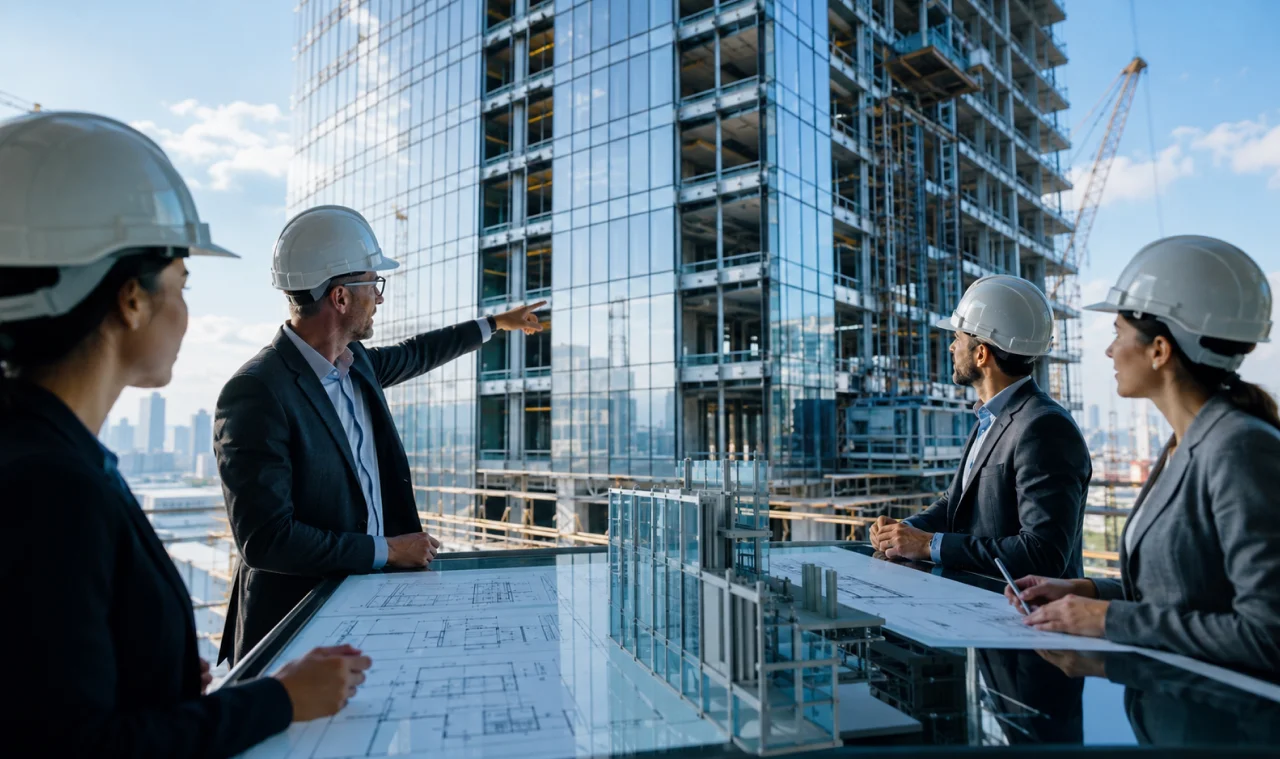

The earlier a facade consultant is involved, the more design decisions can still change without cost penalty. That said, facade consulting adds value at any stage, including tendering, construction, refurbishment, or after a defect has already appeared.
Facade consulting is independent technical advice across the project lifecycle: design review, system selection, procurement support, and quality assurance. Facade engineering is the detailed design work itself, the structural analysis, calculations, and technical documentation needed to build the system.
Yes. We review designs, specifications, and contractor proposals prepared by other firms to check constructability and compliance with project requirements.
Yes. We review technical submissions, compare proposed systems, and check compliance with specifications to support contractor selection.
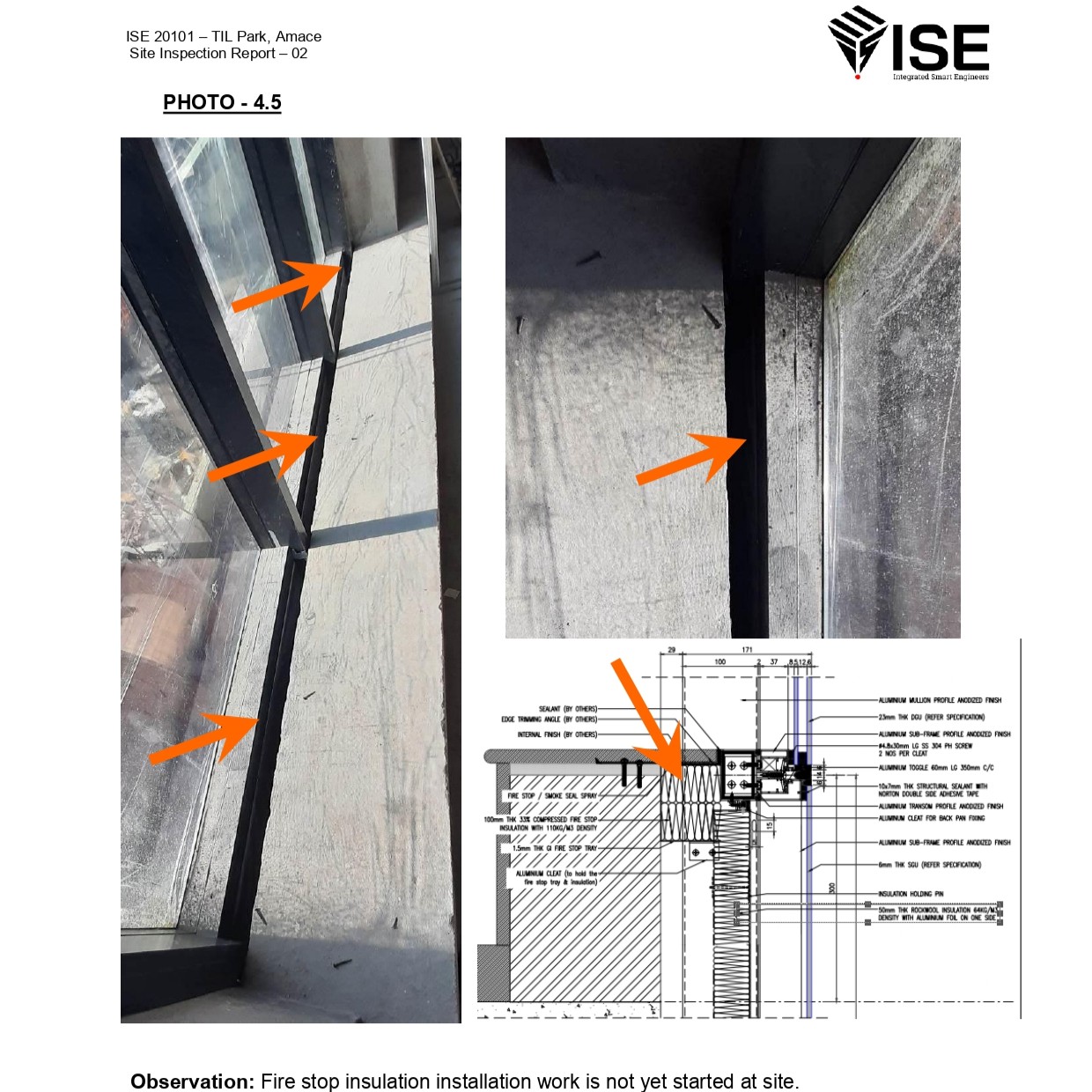
Yes. We conduct site inspections, monitor installation quality, and report on workmanship against approved specifications.
Yes. We investigate defects such as water leakage or material deterioration and recommend repair or refurbishment options.
Commercial, office, retail, healthcare, education, hospitality, industrial, public infrastructure, and residential projects.
Yes. ISE supports facade consulting projects in the USA, UK, Canada, and other markets worldwide, adapting to local codes, climate conditions, and project requirements in each region.
A facade consultant works for the client's interest and isn't paid by a specific fabricator or installer. A facade contractor is hired to build or install the system and has a commercial interest in the systems they sell. Using an independent consultant during procurement lets a client compare contractor bids without relying on the contractor's own claims about their product.